Raised-Bed Gardening for Beginners: Where to Start
A calm, step-by-step overview of choosing a spot, a bed size and your first few crops.
By The Raised Bed Gardener Team · · 7 min read
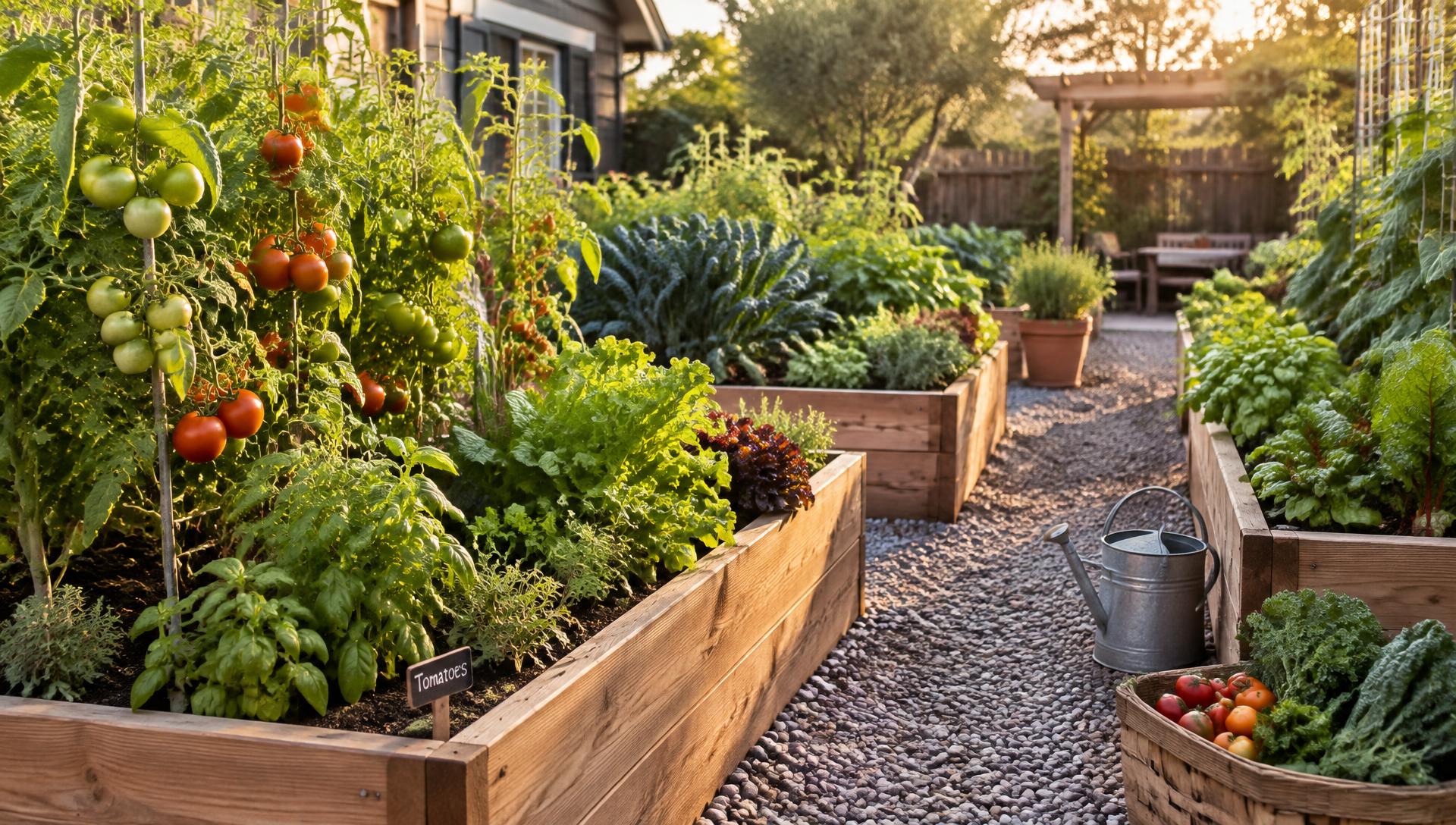
Raised beds are one of the easiest ways to start growing vegetables. They warm up faster in spring, drain well, keep paths tidy, and let you fill them with good soil instead of fighting whatever is already in your yard.
1. Pick the sunniest spot you have
Most vegetables want 6–8 hours of direct sun. Watch your yard for a day and note where the sun lingers. A spot close to the house and a water source is ideal — you'll visit it more often.
2. Start with one bed
A single 4 × 4 or 4 × 8 bed is plenty for a first season. Keep it no wider than 4 feet so you can reach the middle from either side without stepping on the soil.
How deep should it be?
Ten to twelve inches of soil is comfortable for most vegetables. Root crops like carrots appreciate a little more.
3. Fill it with a good soil mix
A blend of quality topsoil and compost is the foundation of everything. See our guide on how to fill a raised garden bed for a simple recipe.
4. Choose a few easy crops
- Lettuce and other leafy greens
- Bush beans
- Cherry tomatoes
- Radishes
- Basil and parsley
Beginner tip: Grow what you actually like to eat. Enthusiasm carries a beginner further than any technique.
5. Water consistently and observe
Check the soil with your finger every day or two. If it's dry an inch down, water deeply at the base of the plants. Read more in how often to water a raised garden.
Related guides
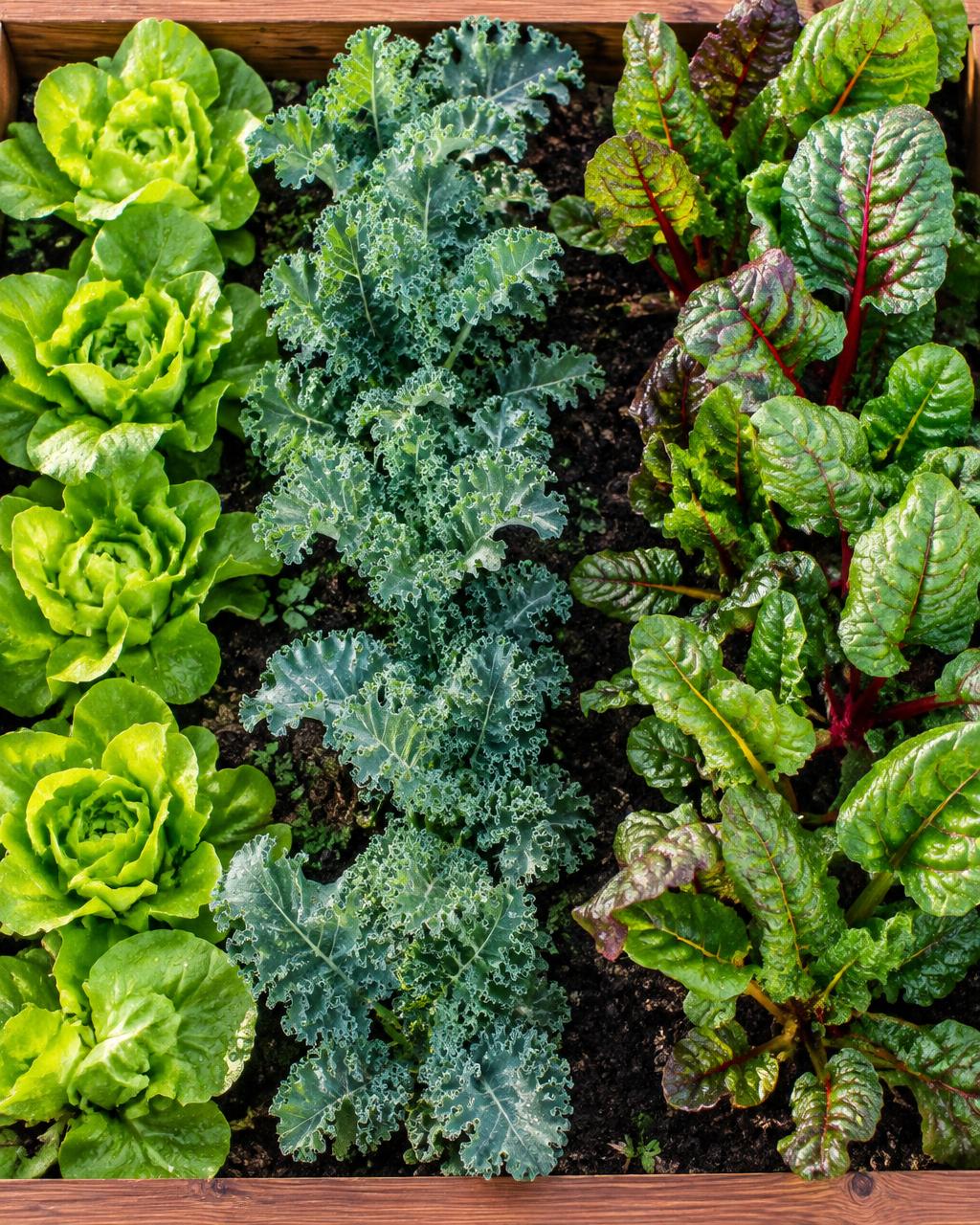
What to Grow · 6 min read
Best Vegetables for Beginner Gardeners
Reliable, forgiving crops that reward a first-time gardener with an actual harvest.
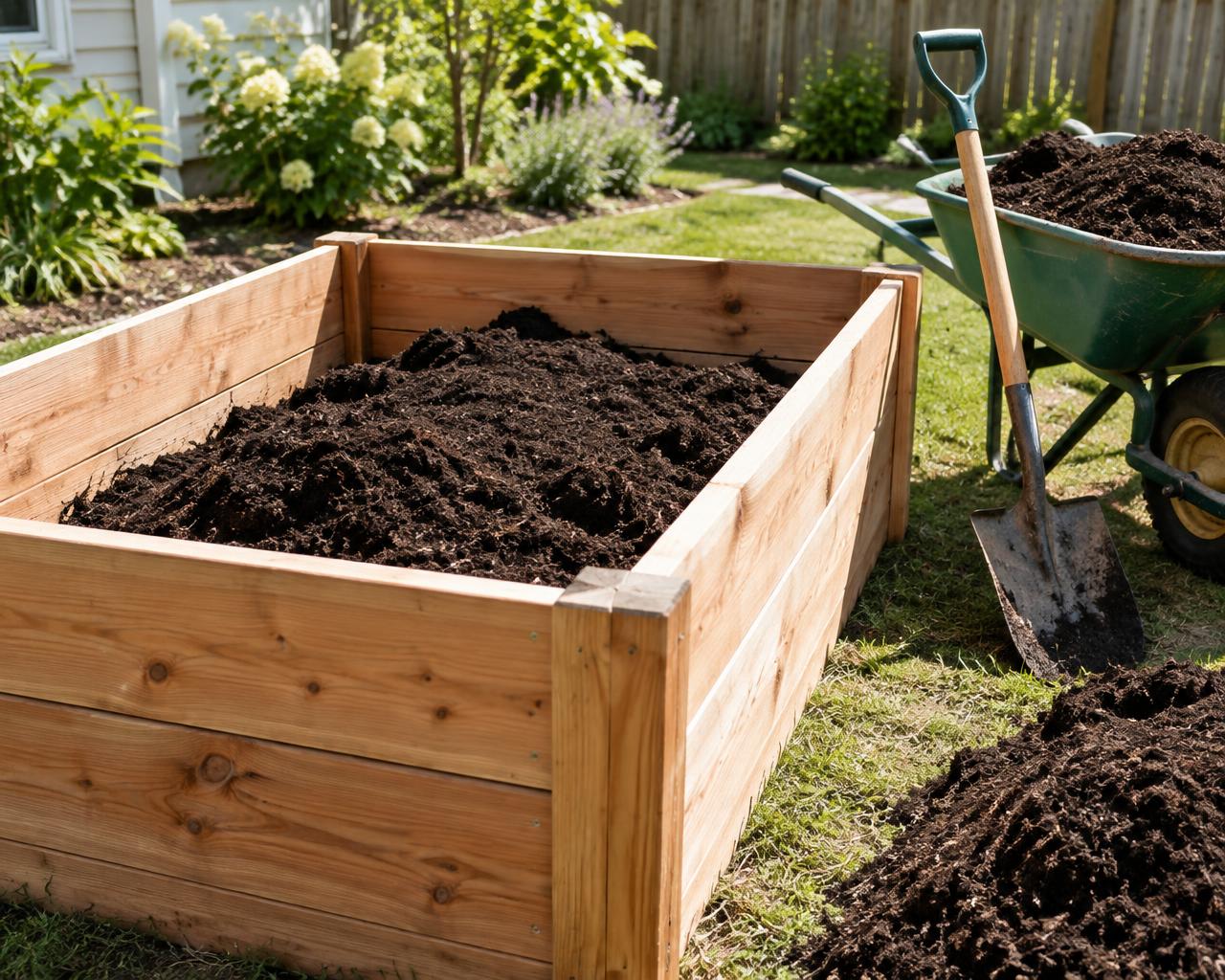
Getting Started · 6 min read
How to Fill a Raised Garden Bed
A simple, affordable soil recipe and what to put at the bottom of a deep bed.
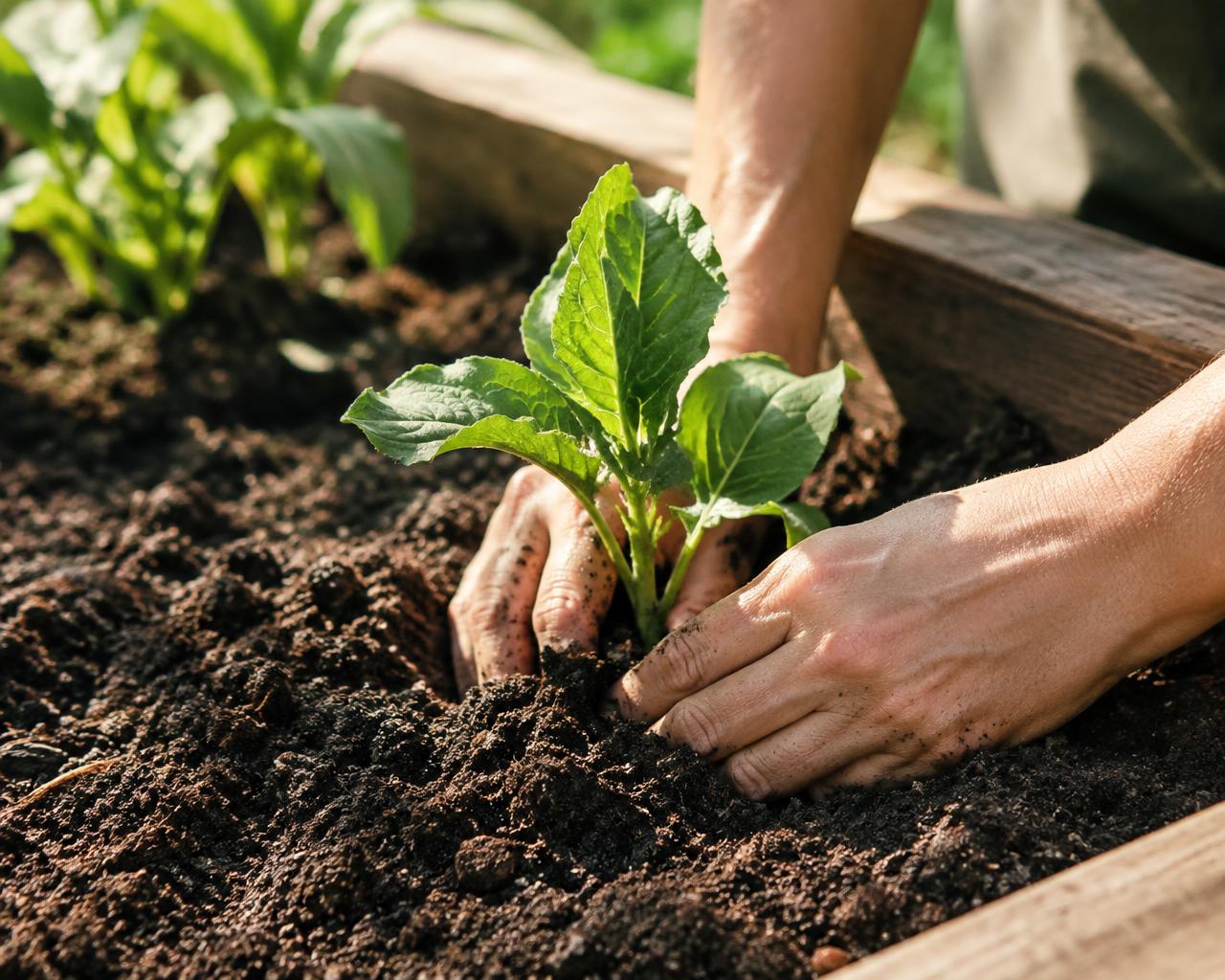
Getting Started · 6 min read
Raised-Bed Gardening Mistakes Beginners Make
The common slip-ups that cost a harvest — and the easy ways to avoid them.